Blog

2025 Lincoln Aviator vs. Cadillac XT6

2025 Lincoln Aviator vs. Cadillac XT6

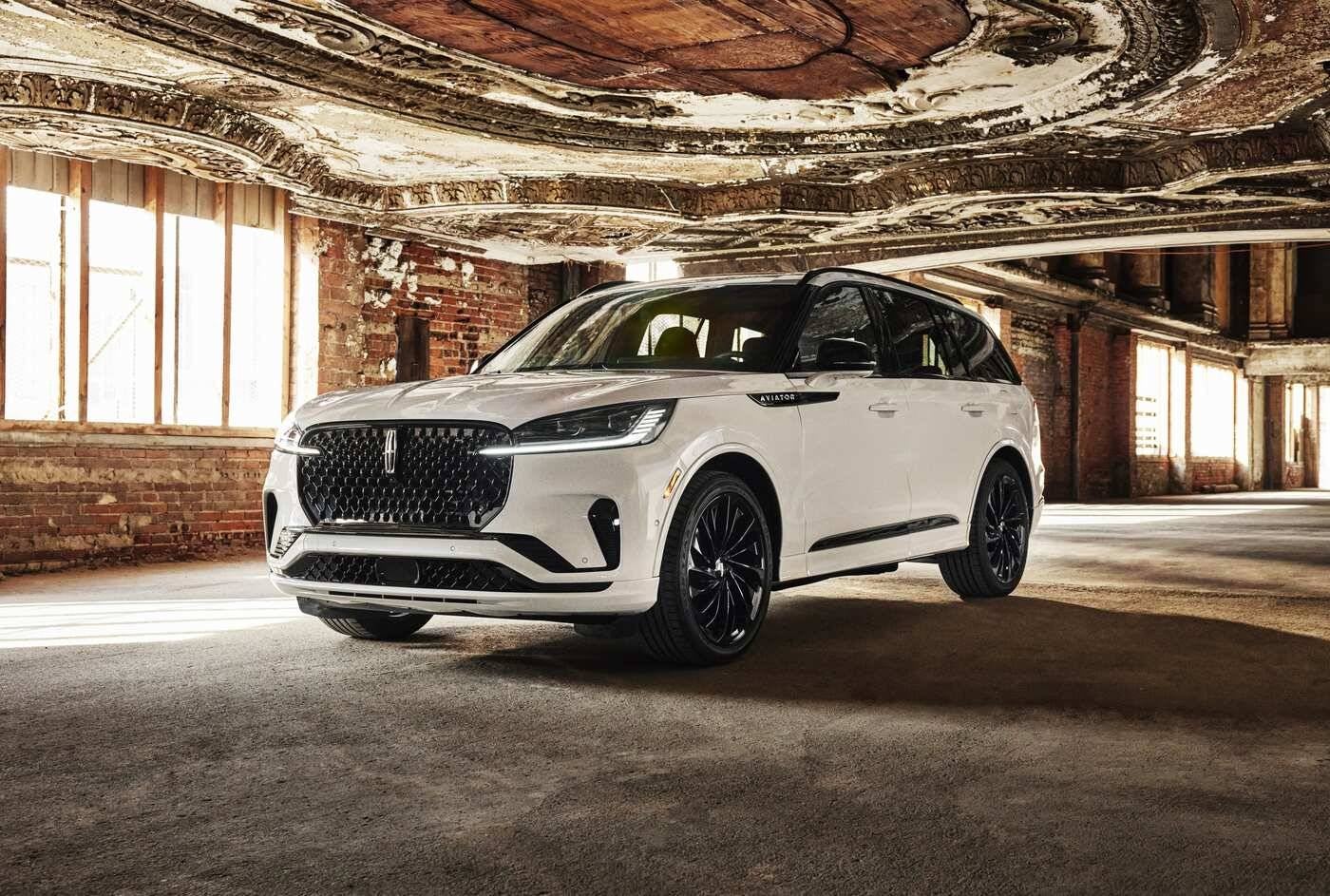
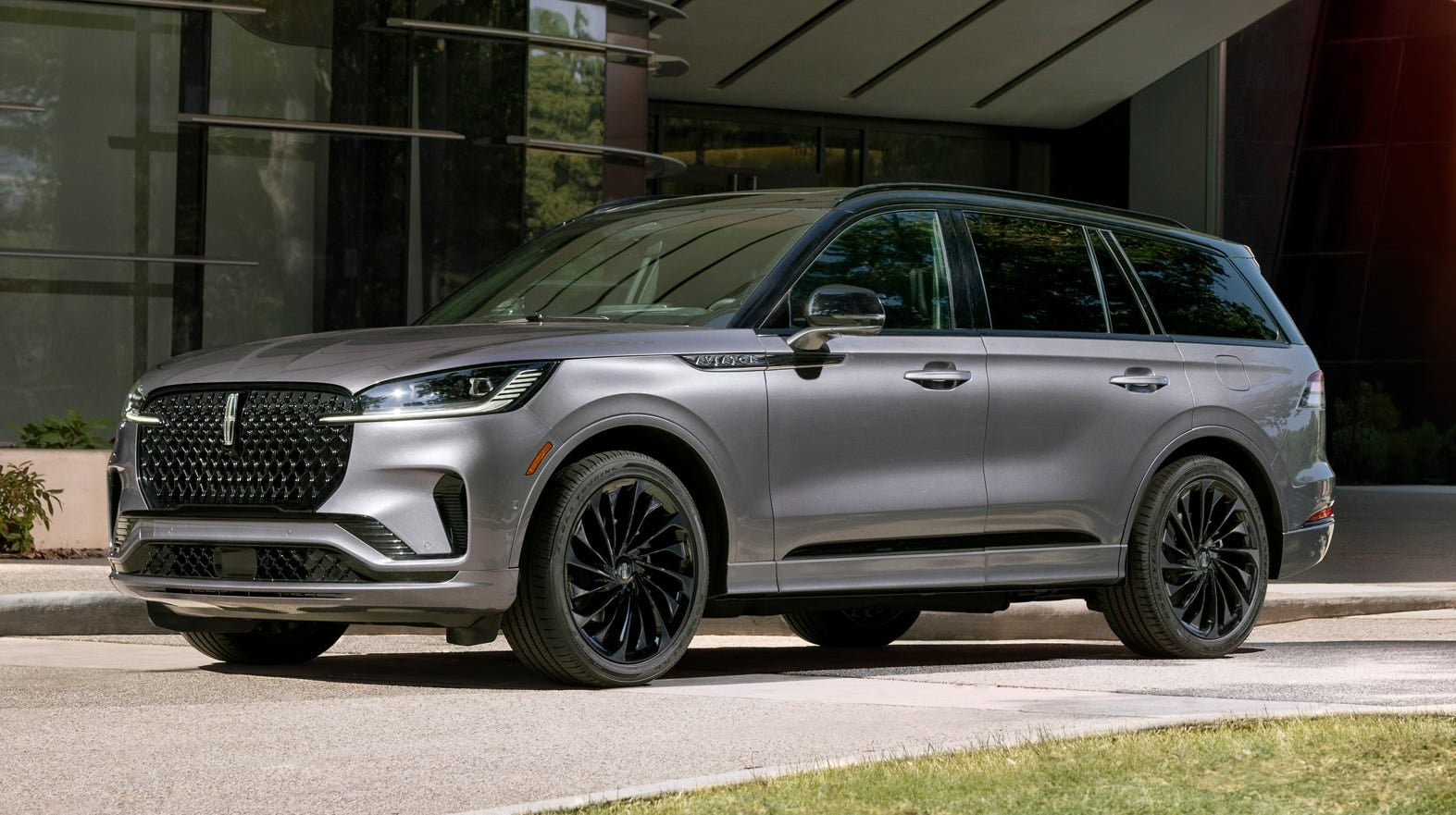
2025 Lincoln Aviator vs Cadillac XT6: The Luxury SUV Showdown for Fort Worth Families

If you’re shopping for a three-row luxury SUV in Fort Worth, the 2025 Lincoln Aviator and Cadillac XT6 will likely appear on your list. Both promise upscale features, recognizable American luxury styling, and plenty of family-friendly amenities. Yet when families across North Texas compare them side by side, the Aviator frequently takes the lead — offering more power, refined comfort, and an ownership experience that simplifies daily life in the Metroplex. At Hooks Lincoln, we’ve helped countless families explore these two models. Here’s why so many Fort Worth drivers ultimately choose the Aviator.

1. Power That Handles Texas Roads

The 2025 Lincoln Aviator is equipped with a standard twin-turbocharged 3.0L V6 producing 400 horsepower. That kind of muscle makes merging onto I-35W, passing traffic on I-30, or towing a boat out to Eagle Mountain Lake feel effortless. The 10-speed automatic transmission delivers smooth and responsive shifts, making every drive across Tarrant County enjoyable and confident. The Cadillac XT6, by comparison, offers a 2.0L turbo four-cylinder with 237 horsepower or a naturally aspirated V6 with 310 horsepower. While capable, neither delivers the effortless acceleration or towing confidence that Aviator owners experience. For Texas families who demand performance that fits both urban commutes and weekend getaways, the Aviator proves more capable.

2. First-Class Comfort in All Three Rows

The Aviator’s cabin is designed around quiet luxury, with soft-touch materials, available Perfect Position 30-way adjustable front seats, and advanced noise isolation. Even in the third row, passengers benefit from thoughtful amenities and a refined atmosphere. Whether you’re driving into downtown Fort Worth for dinner or taking the family on a road trip toward Austin, every seat in the Aviator feels premium. The Cadillac XT6 delivers a stylish interior, but road noise on rougher Texas highways is more noticeable, and materials don’t quite match Lincoln’s upscale presentation. The third row in the XT6 is tighter, making it better suited for kids than adults. For families who need usable space across all three rows, the Aviator provides a more accommodating solution.

3. Technology That Keeps You Connected

Lincoln’s SYNC® 4 infotainment system anchors the Aviator’s technology suite with a large, responsive touchscreen. Wireless Apple CarPlay® and Android Auto™ are standard, while the available Revel® Ultima 3D Audio system transforms commutes down Camp Bowie Boulevard or drives to Dallas into a premium listening experience. Rear-seat entertainment options ensure kids remain entertained on long road trips. The Cadillac XT6 uses the CUE system, which is functional but often described by drivers as less intuitive and slower to respond. For busy Fort Worth professionals who want seamless technology without distraction, the Aviator’s interface feels more natural and advanced.

4. Safety That Comes Standard

Every Aviator comes equipped with Lincoln Co-Pilot360™, which includes adaptive cruise control, blind spot detection, lane keeping assist, and pre-collision assist with automatic emergency braking. These features work quietly in the background, giving Fort Worth families added peace of mind during heavy traffic on I-820 or when navigating crowded school zones. The XT6 does offer similar technology, but many of its driver-assist features are locked behind higher trims or optional packages. That means Cadillac shoppers may need to pay more to achieve the same level of protection Lincoln includes as standard.

5. The Lincoln Ownership Advantage

Both Lincoln and Cadillac strive for premium ownership experiences, but Lincoln — and Hooks Lincoln in particular — goes above and beyond with services that save time and reduce stress:
  • Pickup & Delivery Service for all maintenance — never waste time in a waiting room.
  • Complimentary car washes after every service visit to keep your Aviator looking sharp.
  • Concierge scheduling and dedicated support from a dealership team that treats you like family.
  • A locally trusted, family-owned dealership experience right here in Fort Worth.
Cadillac dealerships provide strong service, but Lincoln’s personalized, concierge-style care makes ownership far more convenient. For busy North Texas families, that difference is invaluable.

2025 Lincoln Aviator vs Cadillac XT6 – Key Specs

Feature2025 Lincoln Aviator2025 Cadillac XT6
Starting MSRP~$57,000~$49,000
Horsepower400237–310
InfotainmentSYNC® 4, wireless CarPlay®/Android Auto®, available Revel® audioCUE system, CarPlay®/Android Auto®
Safety SuiteCo-Pilot360™Some features optional
Ride QualityRefined, quiet, powerfulComfortable but less refined
Ownership PerksPickup & Delivery, concierge, complimentary car washStandard service

Why Fort Worth Drivers Choose the Aviator

For luxury SUV shoppers across Fort Worth, the 2025 Lincoln Aviator delivers more performance, refined comfort, and advanced technology than the Cadillac XT6. Add in an ownership experience that makes life easier and more enjoyable, and the Aviator emerges as the clear winner for families who expect more from their SUV. Whether you’re commuting downtown, navigating busy highways, or planning Texas-sized adventures, the Aviator proves it can handle every aspect of life in Fort Worth.

📍 Visit Hooks Lincoln in Fort Worth

We’re proud to serve North Texas as the go-to Lincoln dealership for luxury SUVs. Explore our 2025 Lincoln Aviator inventory, schedule a test drive, or ask about current lease and finance offers tailored for Fort Worth drivers today.

👉 Visit HooksLincoln.com

Recommended Posts

Dealership Reviews And Dealership Culture

What Your Dealership’s Reviews Really Say About Culture In today’s automotive market, a dealership’s reputation is always on display. For many shoppers, that reputation starts with a Google star rating, but the stars only tell part of the story. The real insight lives inside the written reviews themselves. That is where customers explain how they were treated, how problems were handled, and whether the dealership earned their trust. One customer might describe an exceptional service visit with proactive communication, professionalism, and thoughtful attention to detail. Another might describe a frustrating experience involving delays, missed calls, and confusion. What makes this especially important is that both reviews can be about the same dealership, under the same leadership, and within the same operation. That contrast raises a bigger question: what are a dealership’s reviews actually revealing? At Hooks Lincoln, that question matters because reviews are not viewed as random comments on the internet. They are treated as signals. They reflect the culture inside the store, the standards the team lives by, and the consistency of the customer experience. A strong average rating does not happen by accident, and a painful review should never be dismissed as noise. Together, those reviews tell the truth about how the business is really operating. Five-Star Reviews Are Not Accidental A dealership does not earn a strong reputation simply because it asks enough people to leave five-star ratings. The best reviews are almost never about a rebate, an incentive, or the final price alone. Instead, they usually focus on something far more important: the experience. When customers leave glowing feedback, they often mention specific employees by name and describe how those people made them feel. They talk about a salesperson who made the process simple, a service advisor who kept them updated, or a team member who reduced stress during a major purchase. Those details matter because they point to something deeper than process. They point to culture. That is one reason artificial reputation management only goes so far. A dealership can ask for reviews, remind customers to complete surveys, and build follow-up systems, but it cannot fake genuine trust for very long. Customers can tell when an interaction feels authentic and when it feels scripted. Over time, the public record catches up with the reality inside the building. Strong reviews are earned when the store consistently delivers: Clear and respectful communication A low-pressure and professional sales process Reliable follow-through Thoughtful service after the sale Team members who take ownership of the customer experience That kind of consistency is not luck. It is the result of leadership, hiring, training, and accountability. Reviews Are a Lagging Indicator of Culture One of the most important ways to understand dealership reviews is to think of them as a lagging indicator. In other words, the review is not the event itself. It is the result of everything that happened before it. By the time a customer posts feedback online, the experience is already over. The review reflects every handoff, every promise, every delay, every update, and every moment where the team either built confidence or created friction. That means reviews are not just commentary. They are receipts. For dealership leadership, that is both humbling and valuable. A bad review may feel personal, but it often highlights a breakdown in a process, expectation, or communication chain that needs attention. A great review is also instructive because it shows what the store is doing right and which behaviors are worth reinforcing. That is why the smartest operators do not obsess only over average star scores. They read the stories. They want to know: Did the customer feel heard? Did the team communicate clearly? Did the process feel organized? Did the customer trust the people they worked with? Did the store respond well when something did not go perfectly? Those are the real markers of reputation, and they all come back to culture. Consistency Builds Trust When customers describe a great dealership experience, certain phrases tend to show up again and again. They say they were kept informed. They say they never felt rushed. They say someone went above and beyond. Those patterns are meaningful because they show that the experience was not a one-time fluke. Consistency is what turns a good moment into a trustworthy brand. But true consistency does not mean every employee sounds the same or follows a robotic script. In fact, the best dealerships usually avoid over-controlling their staff. Instead, they create a strong culture with clear expectations and then empower good people to think, solve problems, and build real relationships. That approach creates something customers can feel almost immediately. Instead of walking into a transactional environment, they feel like they are dealing with people who are confident, prepared, and genuinely interested in helping. In sales, that may mean allowing a shopper space to make a decision without pressure. In service, that may mean proactively sharing updates before the customer has to ask. Trust grows when the customer sees: Consistency without pressure Professionalism without stiffness Process without confusion Accountability without defensiveness That combination is difficult to fake, which is exactly why it shows up so clearly in review patterns. Great Experiences Start Behind the Scenes Customers may only see the front end of their visit, but the experience they describe online is often shaped by what happened behind the scenes. A smooth dealership visit depends on preparation, communication, and internal alignment. If the sales team, service department, advisors, technicians, managers, and support staff are all working in sync, the customer experiences confidence and clarity. If those internal handoffs break down, the customer feels the chaos immediately. Delays get longer. Promises get missed. Phone calls go unanswered. Expectations drift. That is why operational discipline matters so much. A dealership cannot just hope for a great customer experience. It has to practice it, refine it, and repeat it. Processes must support the team, not slow it down. Expectations must be clear. Leaders have to coach consistently, not just react when something goes wrong. When negative reviews mention confusion or lack of communication, they often point to deeper operational issues such as: Missed handoffs between departments Unclear ownership of customer updates Poor time management or scheduling breakdowns Lack of transparency when delays occur Inconsistent follow-up standards A review may focus on one frustrating moment, but in many cases that moment is just the visible symptom of a larger process problem. What Negative Reviews Can Teach a Dealership Even strong dealerships will receive negative reviews. No business is perfect, and no operation runs without the occasional breakdown. The real test is not whether problems happen. The real test is how leadership responds when they do. Some stores make the mistake of treating negative reviews as annoyances or isolated incidents. Others use them only as a disciplinary tool, creating fear inside the organization rather than improvement. Neither approach helps. If leadership ignores the complaint, the pattern continues. If leadership only punishes, employees become defensive and less likely to solve the root issue honestly. The better approach is to treat the review as useful information. Something happened. A promise was missed, a communication chain failed, or a customer left feeling unimportant. That deserves attention, not spin. When a review is taken seriously, it can help reveal: Where expectations were not set properly Where communication broke down internally Which processes need better follow-up Whether the customer’s frustration was preventable How the store can reduce the chance of a repeat issue This mindset turns reviews into a leadership tool. Instead of simply defending the dealership’s image, leadership can use customer feedback to strengthen the actual operation. Listening Is One of the Most Powerful Recovery Tools When a customer is upset, the instinct for many businesses is to explain, justify, or immediately defend what happened. In reality, one of the most effective ways to recover a relationship is to listen first. Customers want to know they are being heard. They want to know their frustration is being taken seriously. When leadership reaches out, allows the customer to explain the full situation, and responds with honesty rather than excuses, the conversation changes. The customer may still be frustrated, but they can tell the dealership is engaged. That kind of listening is powerful because it communicates respect. It also creates clarity. Before a store can fix a broken experience, it has to understand exactly where the breakdown happened and how the customer experienced it. Often, the most important thing a leader can say is not a polished corporate response. It is a direct acknowledgment that the experience fell short. A strong recovery conversation typically includes: Fast outreach A willingness to listen without interrupting Clear acknowledgment of the issue Honest context when appropriate A plan to make the situation right Customers do not expect perfection. What they do expect is integrity. Accountability Builds Long-Term Loyalty One of the most overlooked truths in reputation management is that customer loyalty is often strengthened not when everything goes perfectly, but when a business responds well after something goes wrong. If a dealership owns the issue, communicates clearly, and works to correct the problem, it has a chance to turn a frustrated customer into a loyal one. That does not happen every time, but it happens far more often than many people think. Consumers are capable of giving grace when they believe the people on the other end are honest and genuinely trying to help. That is why accountability matters so much. It signals character. It tells the customer that the dealership is not hiding behind process, excuses, or polished language. It tells them the store is willing to stand behind the experience and fix what it can. In the long run, that kind of accountability strengthens the brand far more than trying to appear flawless. Modern consumers are savvy. They know every business will hit bumps. What they watch closely is how a company behaves in those moments. Transparency Is the New Reputation Strategy Today’s shoppers do not rely only on advertising to decide where to buy or service a vehicle. They read reviews, study patterns, and look for clues about how a dealership really operates. They want to know what happens when a customer has questions, when a repair takes longer than expected, or when the process does not go according to plan. That is why transparency matters so much. A dealership does not build trust by pretending to be perfect. It builds trust by being honest, responsive, and human. Reviews have become a form of public proof, and they reveal far more than a star average ever could. For dealerships that want to grow the right way, the message is simple: do not just count the stars. Read the stories. Learn from the feedback. Pay attention to the recurring themes. The customer reviews your dealership receives are not just opinions floating online. They are reflections of leadership, culture, communication, and operational discipline. At the end of the day, a dealership’s reviews are not the cause of its reputation. They are the evidence of it. And if you want to know what your business is really saying to customers, the truth is already out there in plain sight. See What a Customer-First Experience Looks Like at Hooks Lincoln At Hooks Lincoln, culture, communication, and accountability matter because they shape every customer interaction. If you are looking for a dealership experience built on professionalism, transparency, and long-term trust, visit Hooks Lincoln and connect with our team. You can also explore our new inventory, browse our pre-owned vehicles, schedule service, or contact us with any questions.

Character Is The Real Foundation Of Business

Why Character is the Real Foundation of a Great Business In the automotive industry, most conversations revolve around inventory, pricing, and performance. Those elements matter, but they are not what ultimately define a great dealership. The real differentiator is something much deeper and far less talked about: character. At Hooks Lincoln, character is not a buzzword or a marketing message. It is the foundation of how the business operates every day. From hiring decisions to customer interactions, leadership philosophy to long-term strategy, character drives the experience both customers and employees feel. For owner Kip Hooks, the idea is simple but powerful: strong businesses are built by people who consistently do the right thing, even when it is inconvenient, unrecognized, or difficult. What Character Really Means in Business Character is often confused with personality or politeness, but it goes far beyond that. In a business environment, character is closely tied to integrity. It is about doing what you say you are going to do and standing behind your decisions, regardless of who is watching. It shows up in the moments that do not get attention. It appears when a deal becomes complicated, when expectations are misaligned, or when a situation would be easier to avoid than address directly. In practice, character looks like: Following through on commitments without being reminded Being transparent even when the answer is not ideal Putting the customer’s long-term trust ahead of a short-term gain Taking responsibility when something goes wrong Holding consistent standards across every interaction These are not one-time actions. They are patterns. Over time, those patterns define the reputation of both individuals and organizations. Why Character Matters More Than Process Processes, systems, and training are important in any dealership. They help create structure and consistency. But without character behind them, those systems can fall apart quickly. A process can tell someone what to do. Character determines how they do it. Two employees can follow the same process and deliver completely different experiences based on their mindset, attitude, and intent. This is especially important in customer-facing roles. Buying or servicing a vehicle is often a major decision for the customer. They are not just evaluating the product. They are evaluating the people they are working with. When character is present, the experience feels different. It feels: Honest instead of transactional Clear instead of confusing Comfortable instead of pressured Consistent instead of unpredictable That difference is what turns a one-time visit into a long-term relationship. Hiring for Character First One of the most important ways character shapes a business is through hiring. At Hooks Lincoln, the priority is clear: character comes before experience. Skills can be taught. Processes can be learned. But mindset and values are much harder to change. When someone naturally demonstrates respect, accountability, and awareness, they are far more likely to succeed in a customer-focused environment. That means looking beyond resumes and focusing on behavior. Strong character often reveals itself in small but meaningful ways: How someone communicates and listens The level of respect they show in conversation Their willingness to take ownership of past experiences Their ability to engage without ego These qualities may seem simple, but they are often the clearest indicators of how someone will perform once they are part of the team. How Character Shapes the Customer Experience At Hooks Lincoln, the customer experience is not built around pressure or speed. It is built around trust. That trust starts with how customers are treated from the moment they walk in. Rather than focusing on closing a transaction as quickly as possible, the goal is to guide, advise, and support the customer through the process. That approach requires patience and a willingness to prioritize the customer’s comfort over immediate results. This philosophy shows up in several ways: A single point of contact to create consistency Clear communication throughout the process A focus on long-term relationships rather than one-time sales A willingness to slow down when the customer needs more time Customers can feel when they are being rushed versus when they are being supported. That feeling often determines whether they return in the future. The Role of Character in Service and Support While sales often gets the spotlight, service is where character is tested most consistently. It is where expectations must be managed, communication must be clear, and trust must be maintained over time. When a customer brings their vehicle in for service, they are placing confidence in the dealership to take care of both their vehicle and their time. That responsibility requires attention to detail, proactive communication, and follow-through. Strong character in service means: Providing honest updates, even when timelines change Taking ownership of issues rather than shifting blame Respecting the customer’s time and schedule Following through until the issue is fully resolved These actions may seem routine, but they are what build long-term trust. Handling Mistakes the Right Way No dealership operates perfectly. Mistakes happen, processes break down, and situations do not always go as planned. What matters most is how those moments are handled. Character is most visible when something goes wrong. It shows up in how quickly the issue is acknowledged, how honestly it is communicated, and how committed the team is to making it right. At Hooks Lincoln, mistakes are treated as opportunities to improve, not just problems to fix. When team members take ownership and bring solutions forward, it reinforces accountability across the organization. A strong response to a mistake typically includes: Immediate acknowledgment of the issue Clear communication with the customer A defined plan to resolve the situation Follow-through to ensure the problem is fully addressed Customers are often more forgiving than expected when they see genuine effort and accountability. In many cases, how a dealership handles a mistake can strengthen the relationship more than if everything had gone perfectly. Leadership Sets the Tone Character within an organization starts at the top. Leadership defines expectations not just through policies, but through daily behavior. If leaders emphasize integrity but act inconsistently, the culture will reflect that gap. On the other hand, when leaders model accountability, transparency, and respect, those values spread throughout the team. At Hooks Lincoln, leadership is active and visible. It is not confined to an office or a title. It shows up in conversations, in decision-making, and in how challenges are handled. Strong leadership ensures that: Standards are clear and consistent Employees feel supported and accountable Customers receive a predictable, positive experience The culture remains aligned as the business grows This alignment is what allows a dealership to scale without losing its identity. Short-Term Wins vs Long-Term Trust In any business, there is always a choice between short-term results and long-term relationships. Quick wins can be tempting, but they often come at the expense of trust. Character helps guide that decision. It creates a standard that prioritizes long-term outcomes over immediate gains. This means: Not pushing customers into decisions they are not ready to make Being transparent even when it may cost a deal Focusing on repeat business and referrals rather than one-time transactions Over time, this approach builds a stronger, more stable business. Customers return. They refer others. They trust the dealership because of how they were treated, not just what they purchased. Why Character Still Wins in a Modern Market The automotive industry continues to evolve with new technology, digital tools, and changing customer expectations. Despite those changes, one thing remains constant: people still value trust. Customers may start their journey online, but they complete it with people. They remember how they were treated. They share their experiences with others. They base future decisions on those interactions. That is why character remains the foundation. It is not outdated. It is essential. Dealerships that prioritize character create experiences that stand out in a crowded market. They build reputations that extend beyond advertising. They develop teams that take pride in their work. Most importantly, they create relationships that last. Experience a Different Approach at Hooks Lincoln If you are looking for a dealership experience built on transparency, accountability, and long-term trust, Hooks Lincoln offers a different way of doing business. You can visit Hooks Lincoln to meet the team, explore our new inventory, browse our pre-owned vehicles, schedule service, or contact us directly. At Hooks Lincoln, character is not just part of the process. It is the foundation of everything we do.

2026 LIncoln Navigator For Sale - Fort Worth, TX

When To Buy A Lincoln

When Is the Right Time to Buy a Lincoln in Fort Worth? Timing a vehicle purchase can feel overwhelming. Between pricing, trade-in value, interest rates, and incentives, many Fort Worth drivers find themselves asking the same question at the start of a new year: is now the right time to buy, or should I wait? The reality is that there is no single “perfect” moment that applies to everyone. The right time depends on your current vehicle, your financial situation, and how you plan to use your next vehicle throughout the year. For drivers in Fort Worth, January presents a unique opportunity. It is a reset point—financially, mentally, and strategically. It is when many buyers reassess their needs, revisit their budgets, and start planning for the year ahead. This guide breaks down how to think about timing, what factors matter most, and how to make a confident decision when considering a Lincoln in 2026. Why January Is a Strategic Starting Point At the beginning of the year, many buyers are coming off year-end decisions, holiday spending, and a shift in priorities. January becomes a moment to take a step back and evaluate what actually makes sense moving forward. For Fort Worth drivers, this often includes: Reviewing monthly budgets after the holidays Reassessing commuting needs and daily driving habits Planning for upcoming travel, events, or family needs Considering tax return timing and financial positioning Unlike the rush of year-end promotions, January tends to be more measured. That slower pace allows buyers to make decisions based on long-term fit rather than urgency. Understanding Your Current Vehicle Position Before deciding when to buy, it is important to evaluate your current vehicle. This is one of the most overlooked steps in the process, yet it has a major impact on overall value. Key questions to consider include: Is your current vehicle still meeting your daily needs? Are maintenance costs increasing? How does your current vehicle perform on longer drives? Is your trade-in value still strong? For many drivers in Fort Worth, longer commutes along I-35W or I-30 can accelerate wear and tear. If your current vehicle is becoming less reliable or less comfortable, waiting may cost more in the long run. In contrast, upgrading earlier can improve both daily comfort and long-term value. Trade-In Timing: Why It Matters More Than You Think Your trade-in is one of the biggest financial levers in the buying process. Its value can change based on mileage, condition, and market demand. In Fort Worth, where drivers often accumulate miles quickly through commuting and regional travel, timing becomes even more important. Delaying a purchase can lead to: Higher mileage, reducing trade-in value Additional wear that impacts condition Increased maintenance costs before selling Acting earlier, when your vehicle is still in strong condition, can help preserve value and improve your overall position in the transaction. Real-World Scenario: Fort Worth Driver Decision Imagine a driver living near Benbrook, commuting into downtown Fort Worth several times a week. Their current SUV is starting to show signs of wear, and longer drives toward Weatherford or Granbury are becoming less comfortable. They are considering waiting until later in the year, but doing so means adding thousands of miles and potentially facing additional service costs. In this scenario, moving forward earlier provides several advantages: Stronger trade-in value before additional mileage Immediate improvement in daily comfort A more reliable vehicle for upcoming travel and events A cleaner financial reset at the start of the year This type of situation is common, and it highlights why timing is not just about price—it is about total value. Financing and Monthly Payment Strategy For many buyers, the decision ultimately comes down to monthly payment. Understanding how financing fits into your overall plan is critical. Rather than focusing only on the total price, Fort Worth drivers should consider: How the payment fits into monthly budgeting The impact of interest rates over time The balance between term length and flexibility How trade-in value affects the overall structure January is often a strong time to reassess these factors because it aligns with new financial goals and planning cycles. Taking the time to structure the deal correctly can make a significant difference in long-term satisfaction. Matching the Right Lincoln to Your Lifestyle Choosing the right vehicle is just as important as choosing the right time. Lincoln offers several options that fit different Fort Worth lifestyles. For example: Navigator: Ideal for families, travel, and maximum space Aviator: Balanced size with strong performance and comfort Nautilus: Efficient and refined for daily commuting Your decision should reflect how you actually use your vehicle. If your routine includes frequent highway driving, weekend trips, and family use, comfort and space may be the priority. If your focus is daily commuting and city driving, efficiency and ease of use may matter more. Local Lifestyle Considerations in Fort Worth Vehicle decisions in Fort Worth are often influenced by lifestyle. From downtown events to weekend trips, how you use your vehicle plays a major role in what makes sense. Common usage scenarios include: Driving into Sundance Square for dining and events Weekend trips to Weatherford or Aledo Longer drives toward Possum Kingdom Lake Daily commuting across major highways A Lincoln is designed to handle all of these situations comfortably. The key is aligning your purchase with how you actually plan to use the vehicle throughout the year. Decision Framework: Is Now the Right Time? To simplify the process, it helps to break the decision into a clear framework. You may be ready to move forward if: Your current vehicle no longer meets your needs Trade-in value is still strong You want to improve daily comfort and reliability Your financial position supports a new purchase You may consider waiting if: Your current vehicle is still performing well You are planning for a major financial change You want additional time to evaluate options The key is making a decision based on your situation, not just market timing alone. Start the Year with the Right Vehicle For many Fort Worth drivers, January is less about finding a deal and more about starting the year with the right setup. A vehicle that fits your lifestyle, supports your routine, and delivers consistent comfort can make a noticeable difference over time. Whether you are commuting daily, traveling on weekends, or balancing both, the right choice now can improve your experience throughout the entire year. Explore Lincoln Options at Hooks Lincoln If you’re considering a Lincoln and want to explore your options, Hooks Lincoln is here to help you make a confident decision. You can visit Hooks Lincoln, browse our new inventory, explore our pre-owned vehicles, review financing options, or contact us to speak with our team. At Hooks Lincoln, the goal is to help you find the right vehicle at the right time—based on your needs, not just the market.